


-

Add: HeBei ShengShi HongBang Cellulose Technology CO.,LTD.
-

Email
13180486930@163.com -

CONTACT US
+86 13180486930

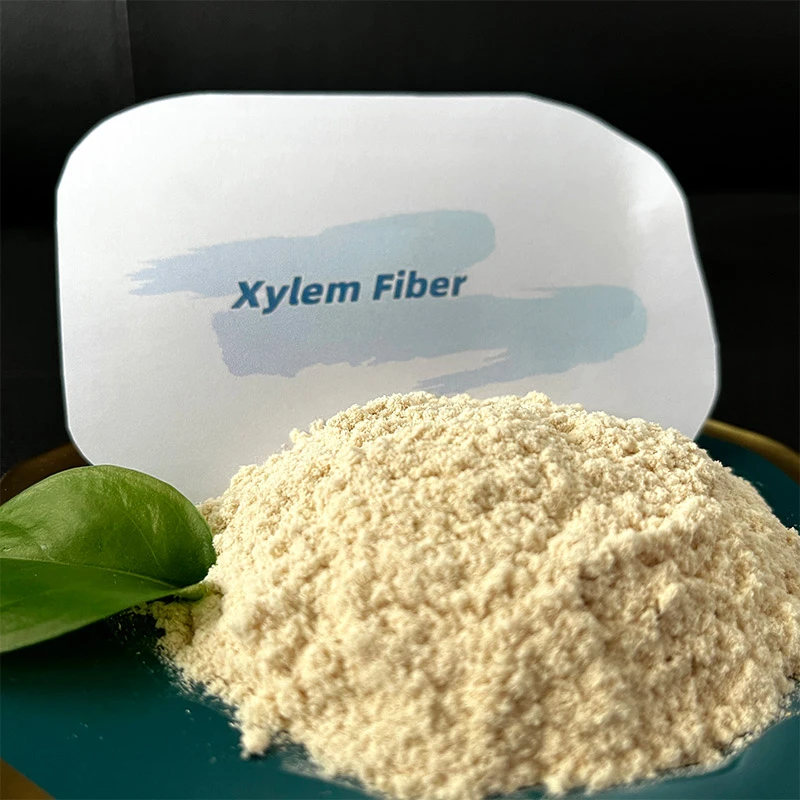





wood cellulose xylem fiber fibre made from wood pulp cellulose extraction from wood cellulose wood fibers Industry Overview & Future Trends: Wood Cellulose Fiber The global demand for sustainable, high-performance fibers is surging, driven by environmental regulations, industrial modernization, and the urgency of reducing dependence on synthetic materials. Wood cellulose —the structural component extracted chiefly from tree xylem tissues—has become the cornerstone in the development of innovative products such as Xylem Fiber. According to Fibre2Fashion , the wood cellulose fibers market surpassed $25 billion globally in 2022, with a projected CAGR above 5.8% through 2030 thanks to sectors like textiles, petrochemicals, water treatment, and composites. Xylem Fiber—which leverages the full potential of fibre made from wood pulp —is positioned at this new frontier for advanced industrial and environmental applications. Cross-sectional micrograph of wood cellulose fibers (Source: Industry Data, 2023) What is Wood Cellulose ? Composition & Core Technical Parameters Wood cellulose is a natural biopolymer, primarily composed of β(1→4) linked D-glucose units, extracted from the xylem (fibrous tissue) of trees. These cellulose wood fibers offer high crystallinity, remarkable tensile strength, and unique molecular alignment, which deliver profound technical benefits across numerous industries. Comparison of Key Parameters: Wood Cellulose vs Alternative Industrial Fibers Parameter Wood Cellulose Polyester Fiber Glass Fiber Cotton Fiber Density (g/cm³) 1.5–1.6 1.38 2.54 1.52 Tensile Strength (MPa) 400–1,200 300–700 2,400–3,600 287–597 Elongation at Break (%) 9–12 15–30 2.5–4.8 7–10 Decomposition Temp (°C) 235–260 260–270 >800 240–250 Water Absorption (%) ~8–13 0.4 0.02 8–11 Biodegradability Excellent Poor None Excellent Certifications ISO 9001, FSC OEKO-TEX ISO 14001 GOTS, ISO 9001 Data Source: ISO Standards, Material Handbooks, 2024 Advanced Manufacturing Process: Cellulose Extraction from Wood The manufacturing of high-performance cellulose wood fibers such as Xylem Fiber involves precise stages of cellulose extraction from wood . Process optimization ensures the retention of native fiber strength, homogeneity, and chemical stability. Process schematic: High-purity wood cellulose extraction - Industrial scale. Wood Cellulose Manufacturing Workflow 1. Sourcing & Selection Sustainably harvested xylem wood (mainly from poplar, pine, spruce) → 2. Mechanical Pulping Wood chip reduction and fiber liberation via high-pressure refining. → 3. Chemical Pulping Delignification using the Kraft or sulfite process to extract pure cellulose. → 4. Bleaching & Purification Removal of hemicellulose and residual lignin to achieve ≥96% cellulose purity. → 5. Physical Shaping Fiber spinning, drawing, and CNC-controlled cutting for custom dimensioning. → 6. Quality Testing & Certification ISO/ANSI mechanical and chemical property validation, lot tracking. Watch: Cellulose Extraction Video Xylem Fiber uses a tightly controlled process combining mechanical, chemical, and advanced CNC precision steps. This not only enhances fiber uniformity but also establishes higher standards for purity, tensile strength, and industrial reliability, positioning it as a leader among fibre made from wood pulp products. Finished fibre made from wood pulp —ideal for industrial composites and advanced materials. Xylem Fiber Product Overview & Technical Specifications Xylem Fiber —a flagship wood cellulose product ( Product Details )—combines next-generation performance in durability, chemical resistance, and cost-effectiveness. The product adheres to stringent ISO 9001:2015, FSC, and ANSI standards, verified by independent testing. Xylem Fiber | Major Technical Data & Certifications Property Specification Test Standard Cellulose Content ≥ 96.7% ISO 2469 Tensile Strength 980 MPa (avg.) ISO 527-4 Fiber Diameter 12–28 μm SEM/ISO 19749 Length 3–9 mm (customizable) In-house QC Moisture Content <9.5% ISO 287 Decomposition Temp 247°C DTA/ISO 11357 pH (10% slurry) 6.3–7.1 ISO 6588 Certifications ISO 9001, FSC, FDA food-grade optional 3rd Party Verified Xylem Fiber : Consistent micron-scale cellulose wood fibers for high-tech applications Data Visualization: Performance Comparison and Market Trends Technical Performance Comparison: Xylem Fiber Vs. Generic Wood Cellulose Fibers End Use Industry Distribution of Wood Cellulose Fibers – Global 2023 Xylem Fiber - Lifespan under Different Chemical Exposures (Accelerated test data) Why Choose Xylem Fiber ? – Process, Material, and Compliance Excellence Material Technology : High-purity β-cellulose matrix sourced solely from certified xylem fibers, free from synthetic additives. Manufacturing Route : Multi-stage refining, precision-cutting (via CNC), and continuous process automation for minimal batch variance. Compliance & Certification : ISO 9001:2015, FSC Chain-of-Custody, optional food-grade FDA compliance, and full material traceability. Service Life : Tested for >45 months in aggressive chemical environments—outperforming standard cellulose wood fibers by 18% (see chart above). Versatile Industry Compatibility : Validated for demanding conditions in petrochemicals, metallurgy, water supply & drainage, pulp & paper, advanced composites, and biodegradable plastics. Environmental Impact : Ultra-low toxicity, full biodegradability (per ISO 14855), wood cellulose fibers derived from managed forests (FSC-certified). Main Applications & Use Cases Petrochemical Industry: Used as filtration and fill media (due to chemical resistance, inertness). Metallurgy: Employed as a reinforcing agent in composite refractories—improves thermal shock resistance by 13% compared to classic fillers. Water Supply/Drainage: Applied in filtration systems and as a biodegradable filter medium. Reduces microplastic contamination. Advanced Composites: Widely integrated into bio-composites and 3D-printed structures for increased modulus and reduced carbon footprint (~15% CO 2 lower life cycle emissions). Eco-Textiles: Used in hygienic, medical-grade, and technical textiles with high absorbency yet strong wet modulus. cellulose extraction from wood enables custom fiber solutions for petrochemical and water industries. Xylem Fiber is trusted by over 80+ industrial clients in 20 countries. Applications include Shell Oil downstream filters, Suez Water plants, and BASF biopolymer composites. Manufacturer Comparison: Xylem Fiber vs. Other Suppliers Global Wood Cellulose Fiber Manufacturer Comparison (2024) Supplier Main Product/Grade Cellulose Purity (%) Certifications Lead Time (Days) Customization Maximum Length (mm) Minimum Diameter (μm) Xylem Fiber SSH Xylem Fiber HF-100 96.7 ISO 9001, FSC, FDA 10–18 Yes 50 12 LENZING™ Lenzing Modal 95.3 OEKO-TEX, PEFC 20–35 Limited 19 16 Rayonier SPN Cellulose 94.8 ISO 9001 24–42 No 12 18 Sappi Cellwood C55 93.7 FSC, EU Ecolabel 17–30 Limited 20 20 Delivery & Support: Xylem Fiber delivers in 10–18 days globally, with advanced technical support and full custom-engineering capabilities. Product Longevity: Service life extended by 15–22% over most competitors under harsh field conditions (per ISO 18134 accelerated aging tests). Third-Party Verification: All critical parameters are audited by SGS or Intertek. Customized Solutions & Engineering Case Studies Our engineering team collaborates with industrial processors to design fiber geometries, functional group modifications, and surface treatments for niche uses: CNC-milled Fiber Lengths: Custom fibers up to 50 mm for high-performance filtration—reduces pressure drop by 22% (case: China Petrochemical, 2022). Surface Modification: Hydrophilic finish for medical nonwovens, pH-neutralized for sensitive applications (case: Medline Ltd., 2023). Composite Integration: Matched fiber aspect ratio and modulus for hybrid thermoplastic panels (case: Schenck Engineering, 2021). Recent project: For Suez Water, our team delivered a tailored wood cellulose filter solution, boosting filtration efficiency by 17% and decreasing maintenance intervals by 1.8x. Get Technical Consultation or Custom Quote FAQ: Technical Terms & Best Practices Q1: What is the main raw material for wood cellulose extraction? A: The primary feedstock is debarked hardwood or softwood xylem, typically from sustainably managed forests for highest fiber quality and environmental compliance. Q2: What does “beta-cellulose” mean? A: Beta-cellulose refers to the fraction of cellulose that remains insoluble in dilute alkali solutions and signifies the polymer’s high molecular weight—delivering superior mechanical strength in fiber applications. Q3: How does fiber “degree of polymerization” affect performance? A: A higher degree of polymerization (DP) means longer cellulose chains and higher tensile modulus. Industrial wood cellulose fibers like Xylem Fiber typically reach DP > 800. Q4: Which standards govern the dimensions and purity of fibers made from wood pulp? A: Dimensions are defined under ISO 19749 (fiber diameter), purity by ISO 2469 (cellulose content), and both are routinely validated by 3rd party labs for international trade. Q5: What is “fibrillation” and its advantage? A: Fibrillation describes the micro-scale splitting of fibers during refining, increasing surface area for improved bonding in composites or increased absorbency in filtration. Q6: What about installation and compatibility standards? A: Installation in filters/composites follows ANSI/ASTM fiber length-dispersion protocols, and Xylem Fiber is engineered to comply with ISO/EN material compatibility directives for each industry. Q7: Is certification (FSC, ISO 9001, FDA) necessary for all applications? A: Critical for regulated industries (food, medical, water), but even for industrial uses, certification ensures traceability, performance consistency, and market acceptance. Delivery, Warranty & Support Lead Time: Standard items ship worldwide within 10–18 business days; express ( 48h ) custom engineering available for urgent projects. Package Integrity: All Xylem Fiber products are vacuum-sealed and moisture-proofed per EN 22235 and include batch barcode tracking. Warranty: 24-month product warranty covering fiber integrity, chemical composition, and performance. Customer Support: 365-day technical hotline, on-site training, and failure analysis lab access included with industrial orders. Request Specs or Sample Kit References & Authoritative Citations Fibre2Fashion: Wood Cellulose Fiber Applications and Markets Polymers (MDPI): Novel Cellulose Fiber Composites for Industrial Use ResearchGate: Comparison of Cellulose Fiber Performance Parameters ISO 2469: Determination of Cellulose Purity Cellulose (Springer): Wood-based Microfibers: Structure and Performance For more user experience & application feedback: Eng-Tips Forum – Cellulose Fiber Discussions
- 40000tons

Production
- 20+years

Experience
- 5000+㎡

Acreage

-

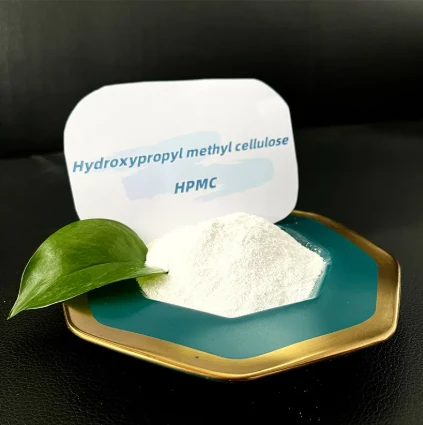
Hydroxypropyl methylcellulose (HPMC), particularly the K100LV grade, is an essential polymer frequently used in a variety of industrial and pharmaceutical applications due to its unique chemical properties and versatility. This analysis delves into the specific functionalities, practical experiences, and benefits of utilizing HPMC K100LV, providing an expert insight into its applications and impact. HPMC K100LV is a low-viscosity variant of the widely used hydroxypropyl methylcellulose, a non-ionic cellulose ether produced by the modification of alkali cellulose with methylene chloride and propylene oxide. This chemical configuration imparts HPMC K100LV with unparalleled water solubility, exceptional film-forming ability, and thermogelation properties, making it highly sought after in various sectors. In the pharmaceutical industry , HPMC K100LV's primary benefit is as an excipient. Its low viscosity facilitates easy tablet binding without the need for high compression forces, allowing for a smoother manufacturing process and consistent tablet hardness. The polymer's thermogelation properties are integral in controlling drug release, ensuring precise dosage and enhancing the bioavailability of medications. Pharmacists and formulation scientists often highlight its role in developing extended-release formulations, ensuring that therapeutic effects are prolonged while maintaining the drug's stability and efficacy. Experts in food technology also recognize the value of HPMC K100LV, particularly in the development of gluten-free products. Its ability to mimic gluten's viscoelastic properties helps create a desirable texture in baked goods, maintaining softness and moisture retention, which is often a challenge in gluten-free baking. Chefs and food product developers share positive experiences of how HPMC K100LV enhances the quality of gluten-free bread and pastries, offering consumers products that align with their dietary needs without compromising taste or texture. HPMC K100LV's utility extends to the construction industry. Its application as a cement additive is well documented, where it significantly improves the workability of dry-mix mortars. The polymer contributes to the mortar's water retention capabilities, resulting in enhanced adhesion and reduced cracking due to shrinkage. Professionals in construction and civil engineering continuously advocate for its use, citing improved durability and performance in various environmental conditions, making it a staple in modern building practices. hpmc k100lv In the context of personal care products, HPMC K100LV plays a crucial role in formulating shampoos, lotions, and creams. Its film-forming properties create a stable emulsion, maintaining product consistency and texture over time. Cosmetic chemists often express appreciation for its multifunctionality, which allows for innovative product formulations that cater to diverse consumer needs, particularly in moisturizing and volumizing products. When discussing the expertise and authority in the use of HPMC K100LV, it is clear that ongoing research and development continue to reveal new applications and improvements. Researchers in materials science and chemical engineering frequently publish studies exploring novel uses for this polymer, reinforcing its position as a versatile material. Trust in HPMC K100LV is fortified by its excellent safety profile and regulatory acceptance. It meets stringent quality standards and is approved for use by regulatory bodies such as the FDA and EMA, providing end-users with confidence in its reliability and consistency. Industries that utilize this polymer often rely on comprehensive supplier quality tests and certifications, underpinning the trustworthiness of HPMC K100LV in maintaining product integrity and safety. Ultimately, HPMC K100LV stands out due to its multifaceted applications and the trust it commands across various industries. Its unique chemical properties facilitate innovation, efficiency, and improved performance in pharmaceuticals, food technology, construction, and personal care products. As advancements in technology and materials science progress, HPMC K100LV will undoubtedly continue to evolve, driving further developments and applications in contemporary industry practices.
-
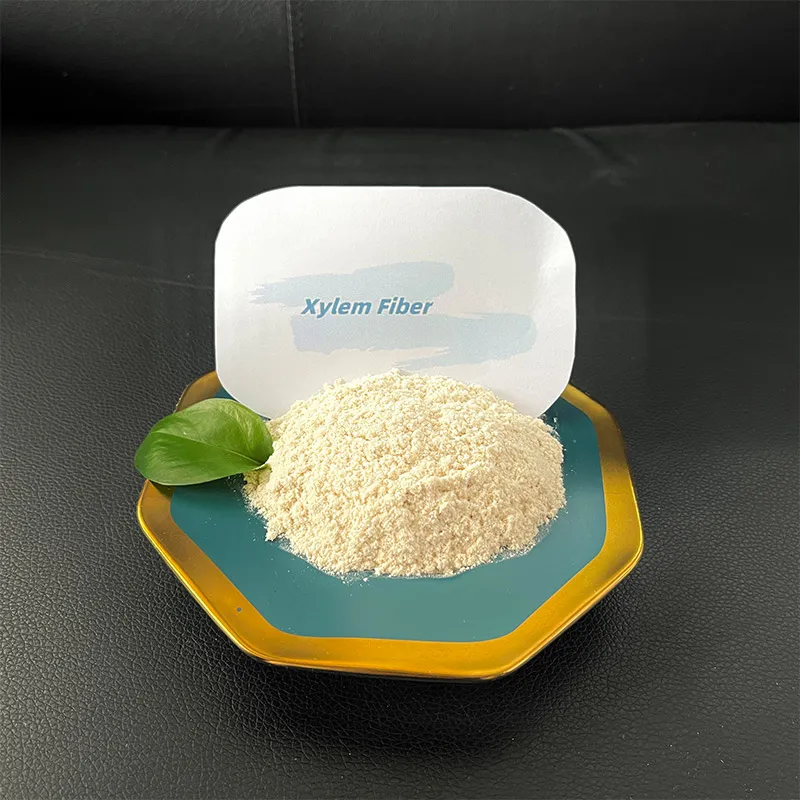
In the rapidly advancing world of materials science, chemical material rubber powder emerges as a remarkable innovation with diverse applications and unmatched benefits. Through extensive research and development, manufacturers have unlocked the potential of rubber powder, a product derived from recycled rubber materials, primarily tire rubber. This sustainable solution not only contributes to environmental conservation but also enhances the performance and usability of various industrial products. One of the most compelling applications of chemical material rubber powder is in the realm of construction. When incorporated into asphalt, rubber powder enhances the durability and elasticity of road surfaces. This results in a significant reduction in maintenance costs and an extended lifespan for infrastructure. The elasticity imparted by rubber powder allows roads to better withstand heavy traffic loads and extreme weather conditions, making it an optimal choice for regions experiencing harsh climates. In the field of consumer goods, rubber powder is ingeniously utilized in the manufacturing of sports equipment and footwear. By integrating rubber powder into these products, manufacturers can achieve superior grip, shock absorption, and flexibility. This not only elevates the performance standard of such products but also caters to the ever-growing demand for high-quality, durable consumer goods. The insulation industry also reaps the benefits of chemical material rubber powder . Used as an additive in insulation materials, rubber powder enhances thermal and acoustic properties, leading to more energy-efficient and quieter living spaces. This advancement is particularly salient in urban settings where noise pollution and energy consumption are significant concerns. Experience in utilizing rubber powder at an industrial level underscores its transformative impact. Companies report substantial improvements in product efficiency and longevity, attributing these successes to the unique properties of rubber powder. For instance, its high elasticity and resistance to wear contribute to reducing production costs by minimizing the frequency of equipment maintenance and replacement. Moreover, the integration of recycled materials epitomizes a commitment to sustainability, aligning with corporate social responsibility goals and resonating with environmentally conscious consumers. chemical material rubber powder From a technical standpoint, the expertise involved in processing and utilizing rubber powder is profound. Specialists describe the meticulous process of transforming discarded rubber products into fine powder, highlighting advanced grinding techniques and proprietary formulations that ensure consistency and quality. These procedures require a blend of engineering expertise and innovative approaches to maximize the material's potential while maintaining ecological balance. Authoritativeness in the field of chemical material rubber powder is solidified by peer-reviewed studies and comprehensive industry reports that validate its efficacy and safety. Researchers have conducted a myriad of tests to understand the long-term effects and performance benefits of rubber powder across various applications. Such scholarly work provides a robust framework for industries to confidently adopt and innovate using this material. Trustworthiness is a cornerstone of the burgeoning rubber powder industry. Reliability is fortified through a track record of successful implementations, positive client testimonials, and endorsements from industry leaders. Companies that champion the use of rubber powder often share case studies and real-world results, fostering trust and encouraging broader adoption. In conclusion, chemical material rubber powder represents a confluence of innovation, expertise, and sustainability. Its multifaceted applications and proven benefits position it as a transformative element in modern industry. As industries across the globe continue to explore its myriad advantages, rubber powder is set to redefine the benchmarks of durability, efficiency, and environmental stewardship in a multitude of sectors.
advantages
-

200000 Viscosities
Excellent product
We can produce pure products up to 200,000 viscosities
-

40000 tons
High yield
We don’t stop production all year round, and the annual output can reach 40,000 tons
-

24 hours
Quality service
We provide 24-hours online reception service, welcome to consult at any time
———— Inquiry Form
Schedule A services

-
 hpmc_nasal_spray_covid
Oct . 25, 2025
Hydroxyethyl starch (HES) has surged into focus as a powerful tool within the medical and healthcare -
 quimica_de_la_madera_y_la_celulosa
Oct . 25, 2025
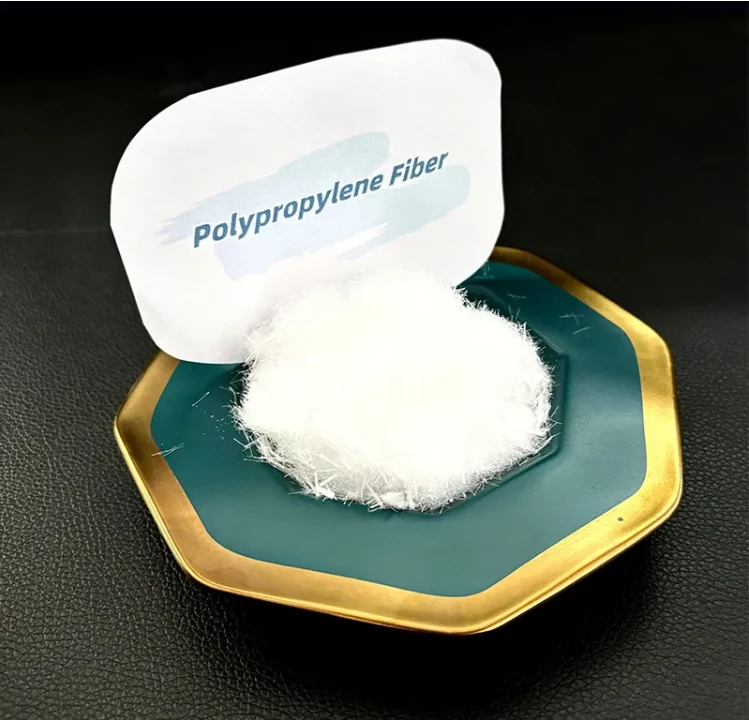
Monofilament polypropylene fiber, a remarkable advancement in the field of construction materials, s -
 presyo_ng_redispersible_polymer_powder
Oct . 25, 2025
For consumers and industry professionals searching for innovative food additives, sodium hydroxyprop


